The growth of urban logistics has made last-mile delivery more demanding than ever. Electric Bikes have emerged as an efficient and scalable solution for businesses operating in dense urban environments.
Superior Mobility in Urban Areas
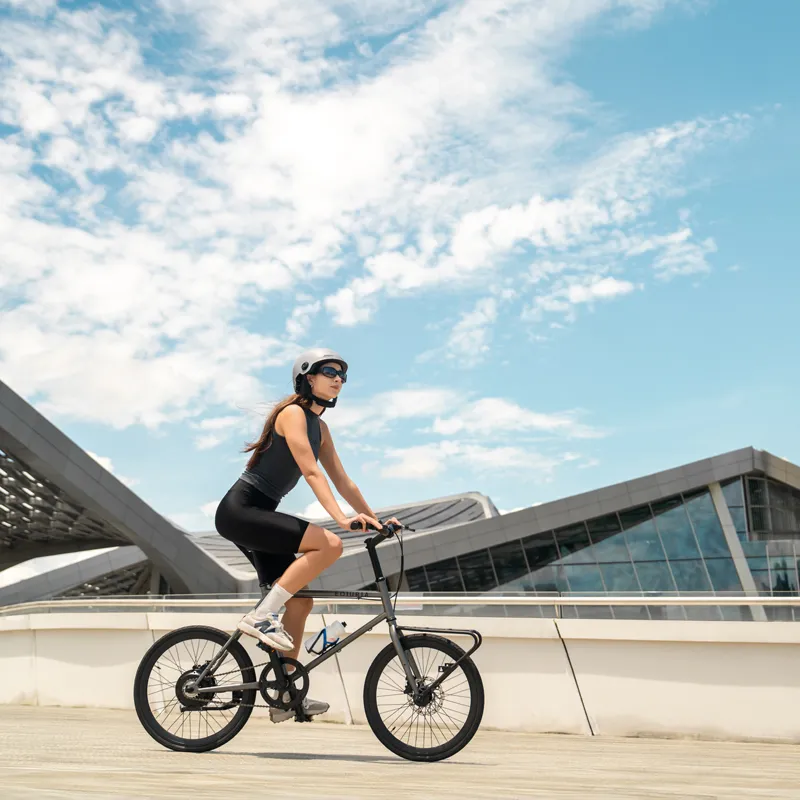
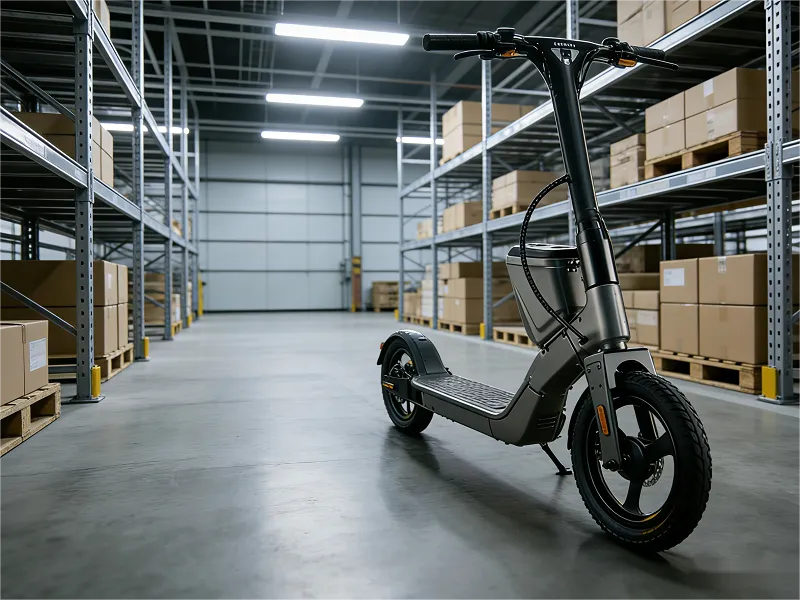
Electric Bikes excel in congested cities where larger vehicles face restrictions. Like a foldable e scooter, their compact size allows riders to navigate narrow streets, bike lanes, and residential areas with ease, significantly reducing delivery time.
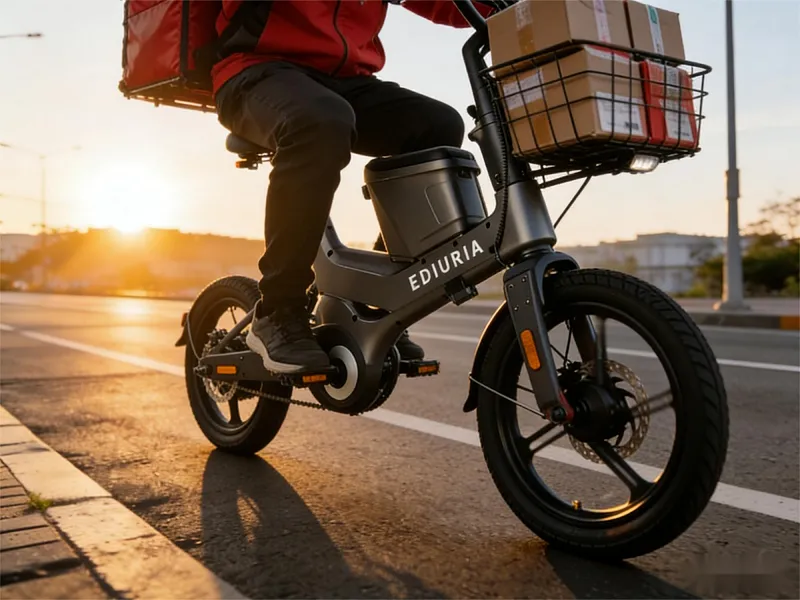
This flexibility makes Electric Bikes particularly effective for food delivery, courier services, and local distribution networks.
Reduced Operating and Labor Costs
Compared with vans or even Electric Scooters, Electric Bikes offer lower energy consumption and minimal maintenance requirements. This helps businesses reduce per-delivery costs while maintaining reliable performance.
Additionally, Electric Bikes are easier to operate, lowering training costs and expanding the available labor pool.
Scalable and Sustainable Deployment
Electric Bikes are easy to standardize across fleets and can be rapidly deployed in growing delivery networks. Their low environmental impact also aligns with sustainability goals, making them a preferred option for companies seeking greener logistics solutions.
FAQ
Why are Electric Bikes suitable for last-mile delivery?
Electric Bikes are suitable for last-mile delivery because they are compact, energy-efficient, easy to operate, and able to move through congested urban areas more flexibly than larger delivery vehicles.
What businesses can use Electric Bikes for delivery?
An electric bike for food delivery is commonly used by food delivery companies, courier service providers, local retailers, grocery delivery platforms, and urban distribution networks that need fast and flexible transportation.
Are Electric Bikes more cost-effective than delivery vans?
Yes. Electric Bikes usually have lower energy costs, lower maintenance requirements, and lower operating costs than delivery vans, especially for short-distance urban delivery routes.
Can Electric Bikes support fleet deployment?
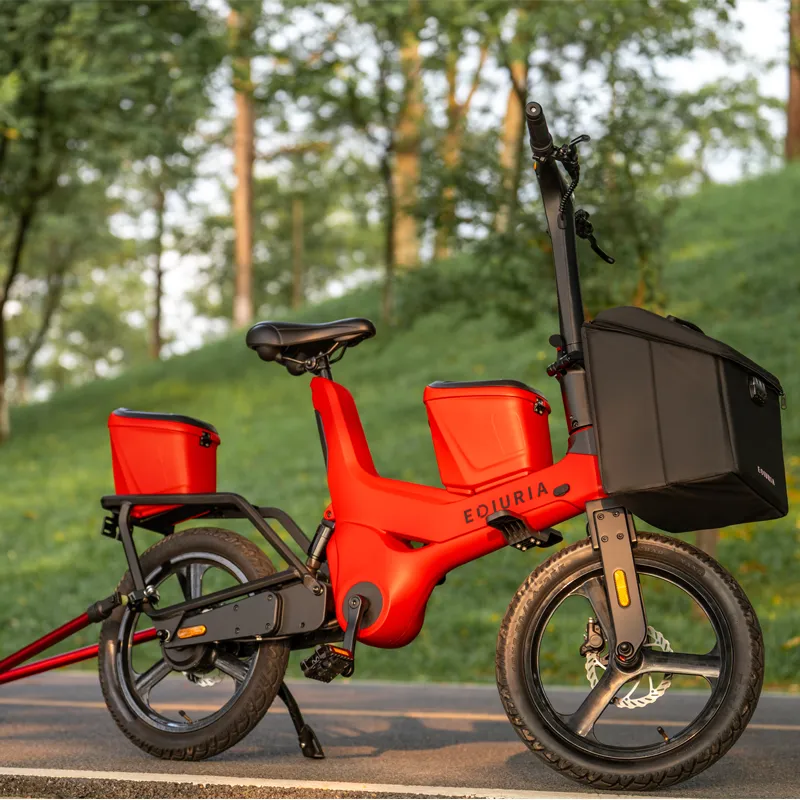
Yes. Electric Bikes are easy to standardize, manage, and deploy across delivery fleets. Businesses can scale them according to route density, delivery volume, and city operation requirements. For long range electric bikes, battery capacity and range consistency become key factors in route planning and fleet utilization.
What should businesses check before purchasing Electric Bikes in bulk?
Businesses should check motor power, battery range, charging time, frame strength, load capacity, braking system, rider comfort, spare parts availability, warranty terms, and local compliance requirements.
Conclusion
An electric bike for delivery is becoming a practical solution for last-mile delivery in dense urban markets. Its compact structure, lower operating costs, and flexible mobility make it suitable for businesses that need faster, greener, and more scalable delivery operations.
For B2B buyers evaluating ebike manufacturers, the key is to choose Electric Bikes that match the intended delivery workload, daily mileage, rider requirements, and fleet management needs. A well-selected Electric Bike fleet can help reduce delivery costs, improve route efficiency, and support sustainable urban logistics growth.
For general background, buyers can also refer to Wikipedia resources on electric bicycles, last mile, and urban freight distribution.

 English