EN
Wenzhou AIRUIDE Science and Technology Co., Ltd.

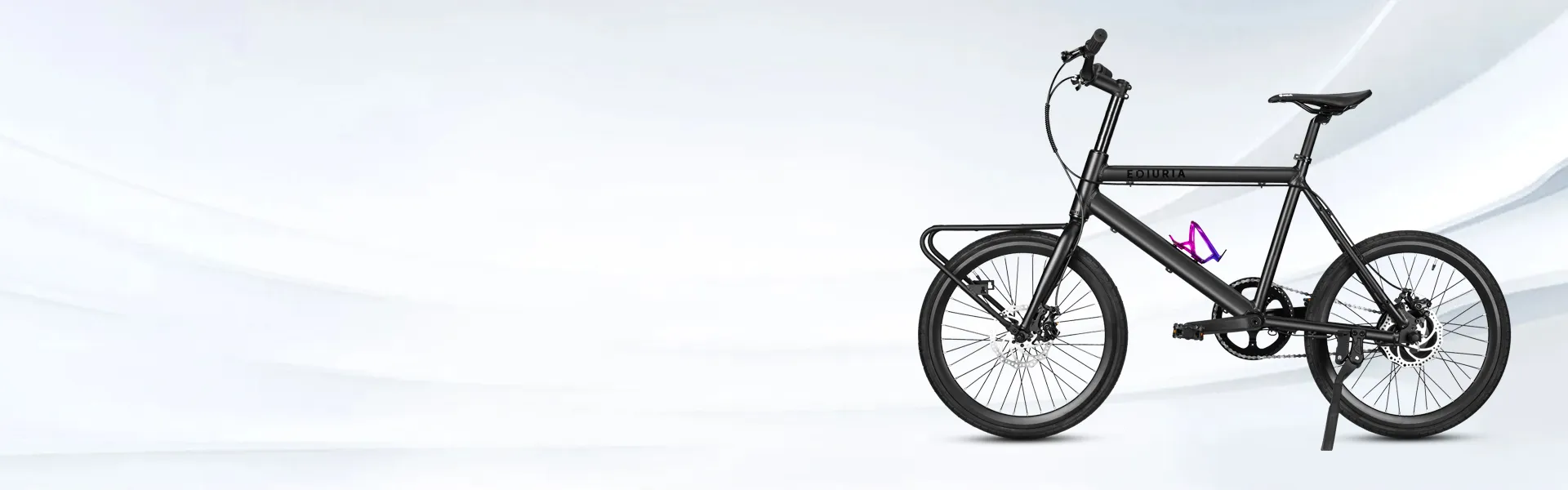
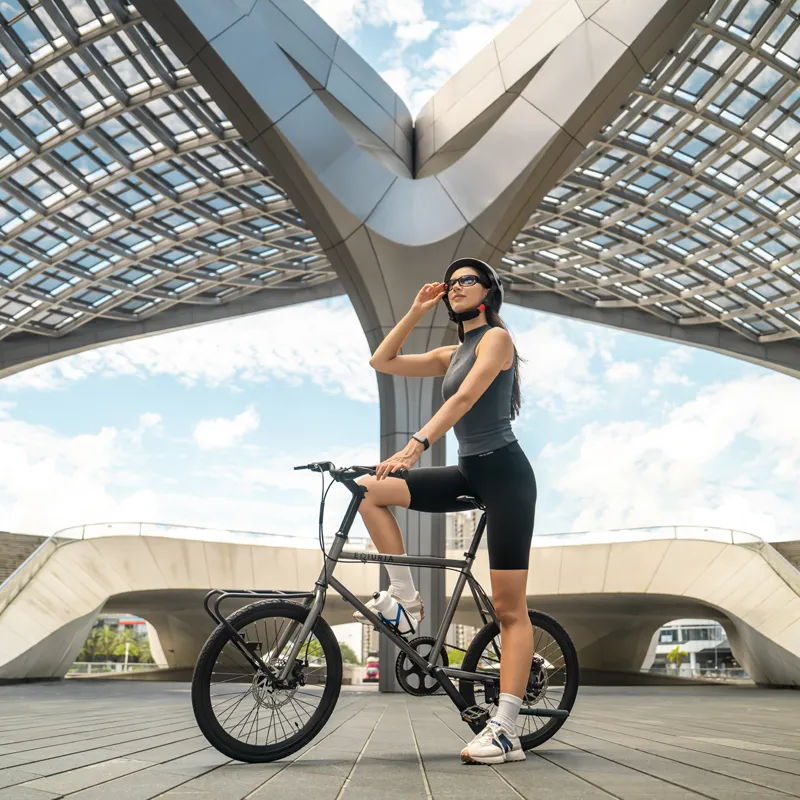
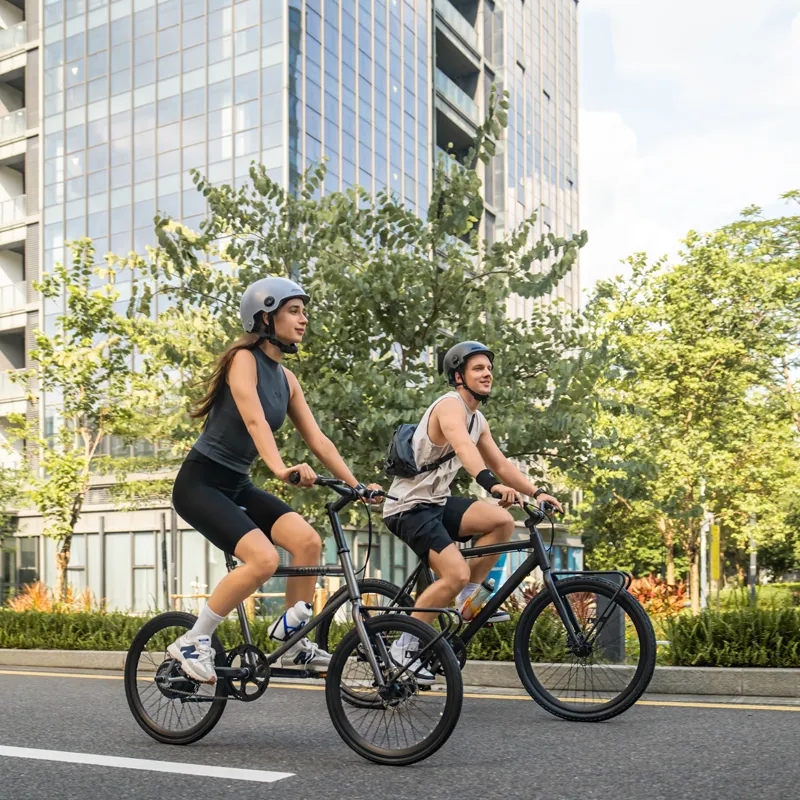
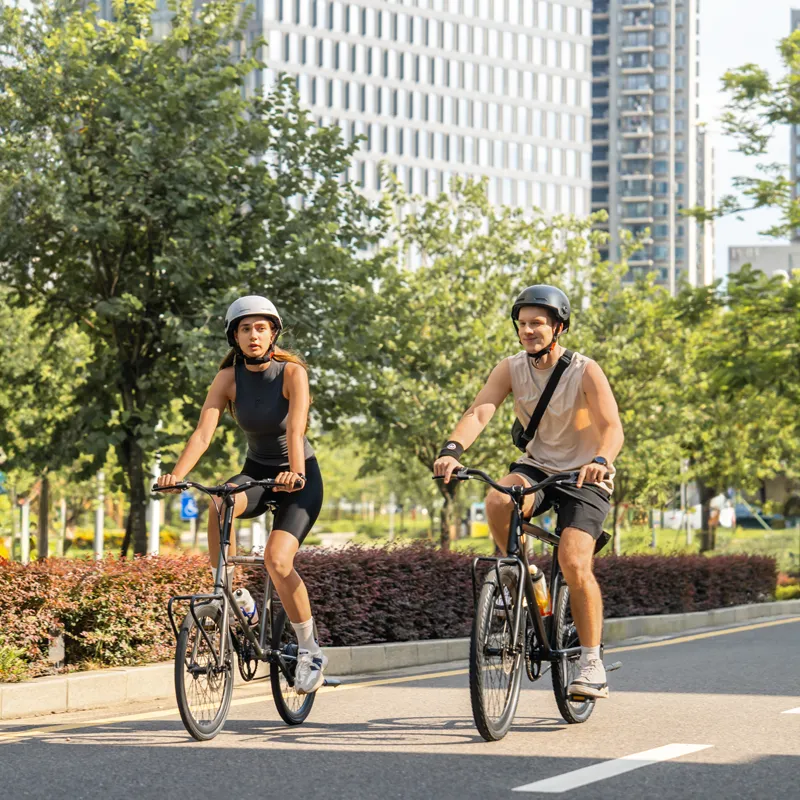
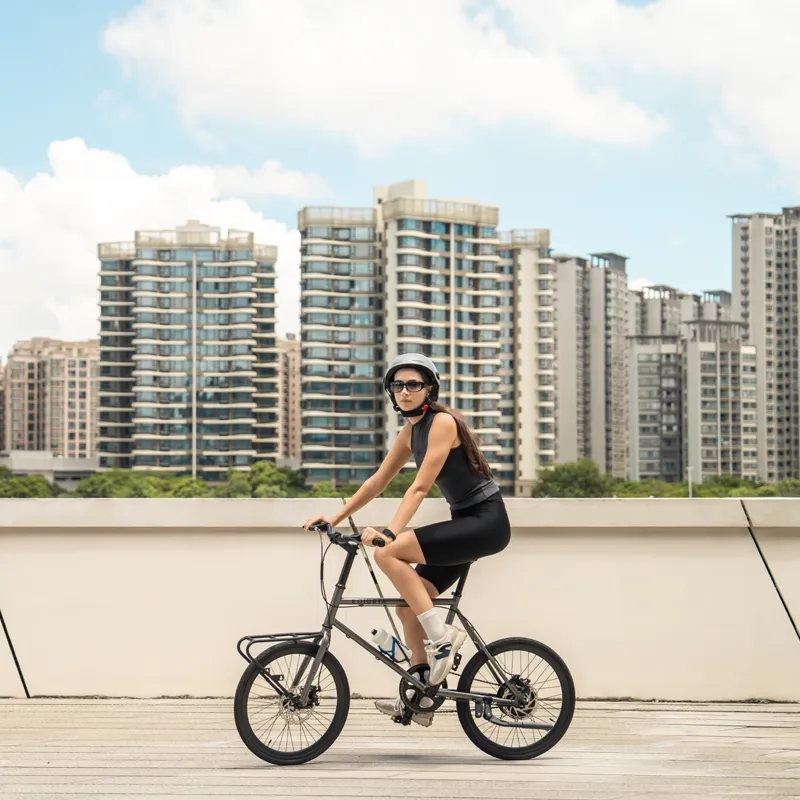
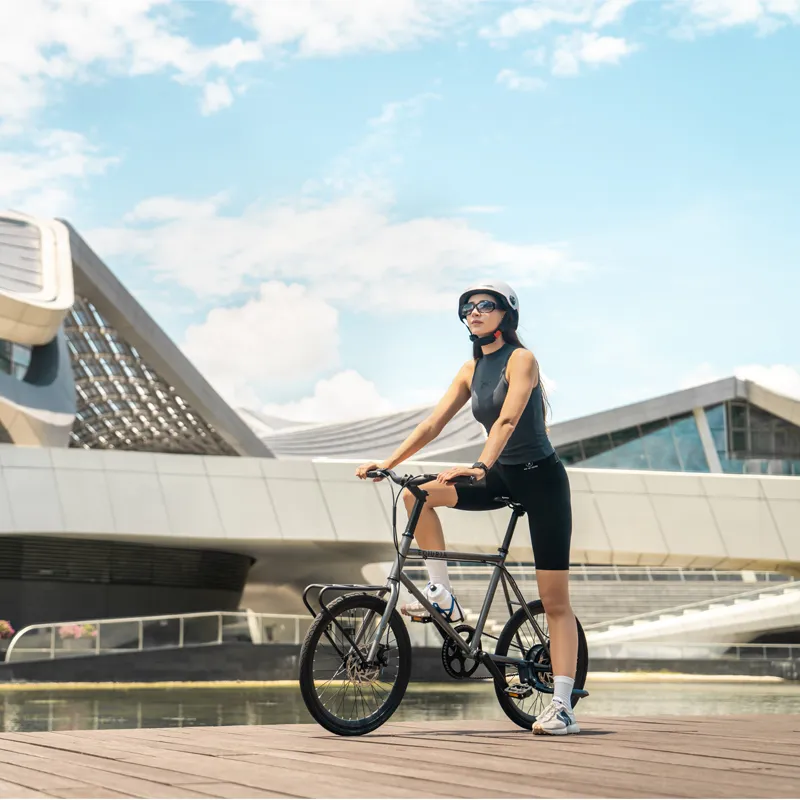
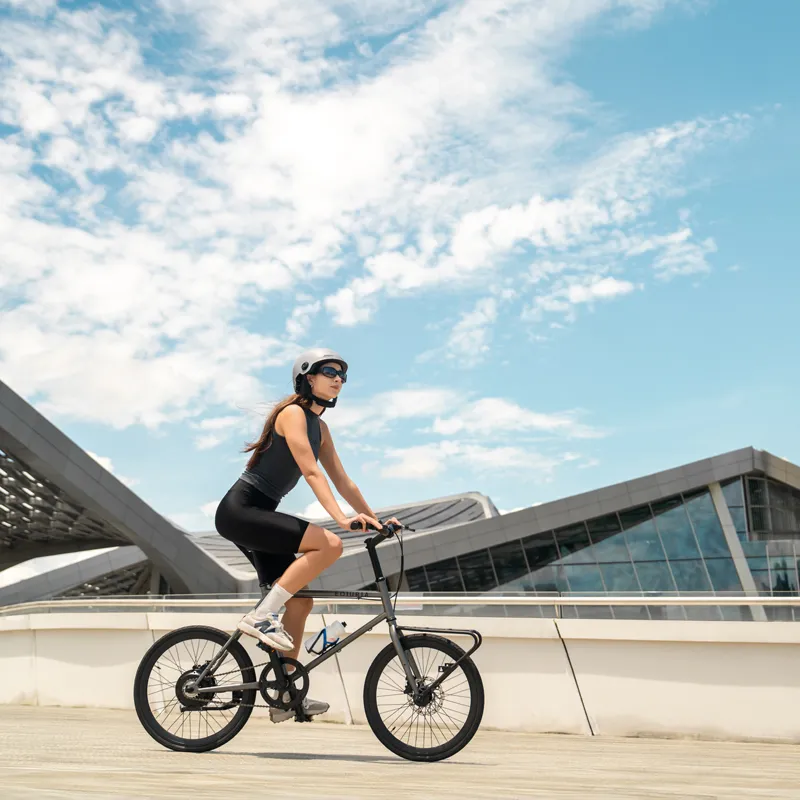
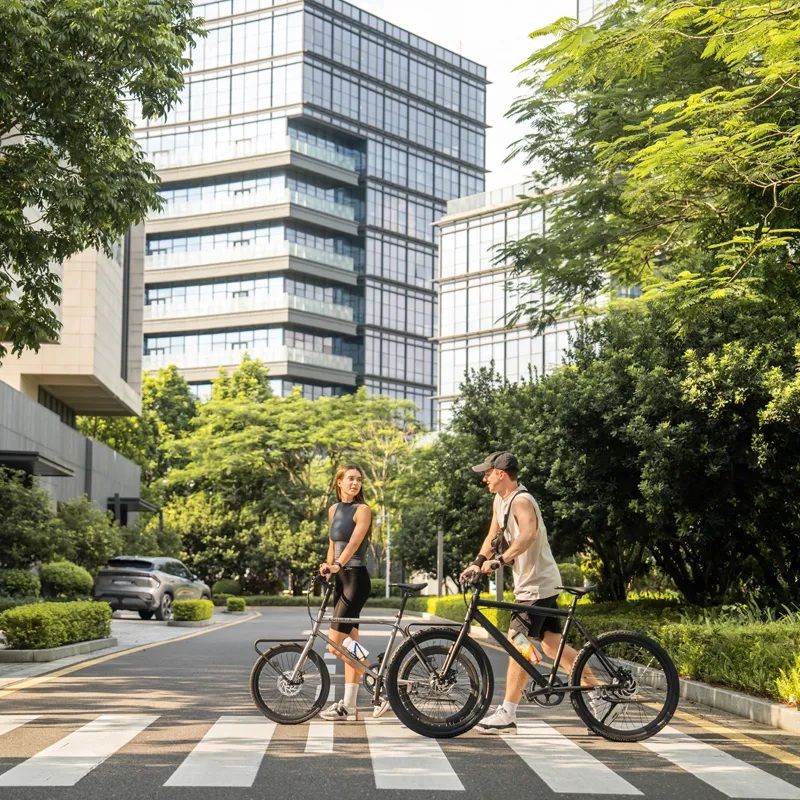
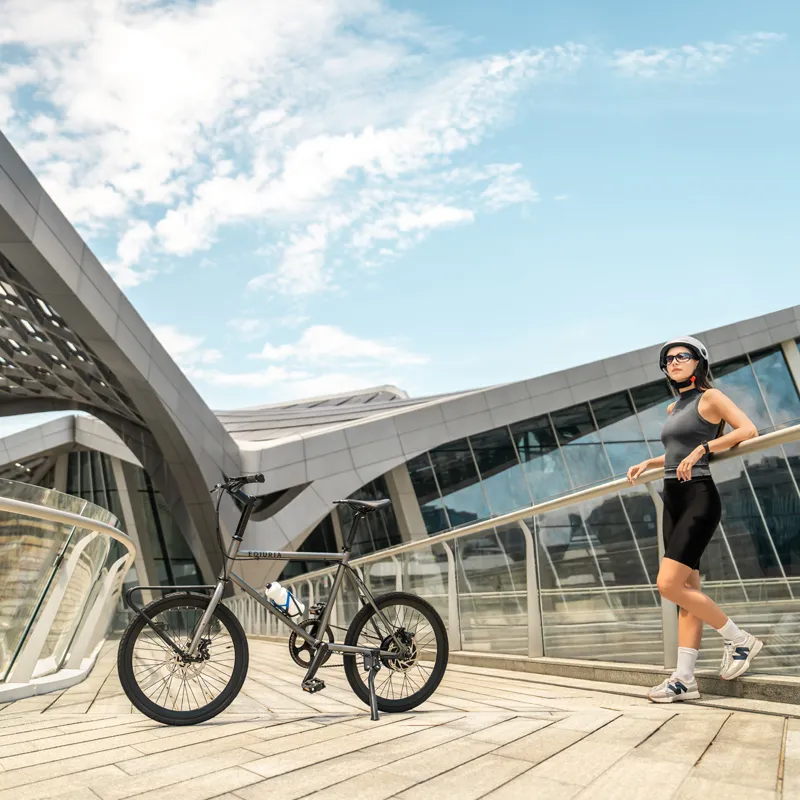
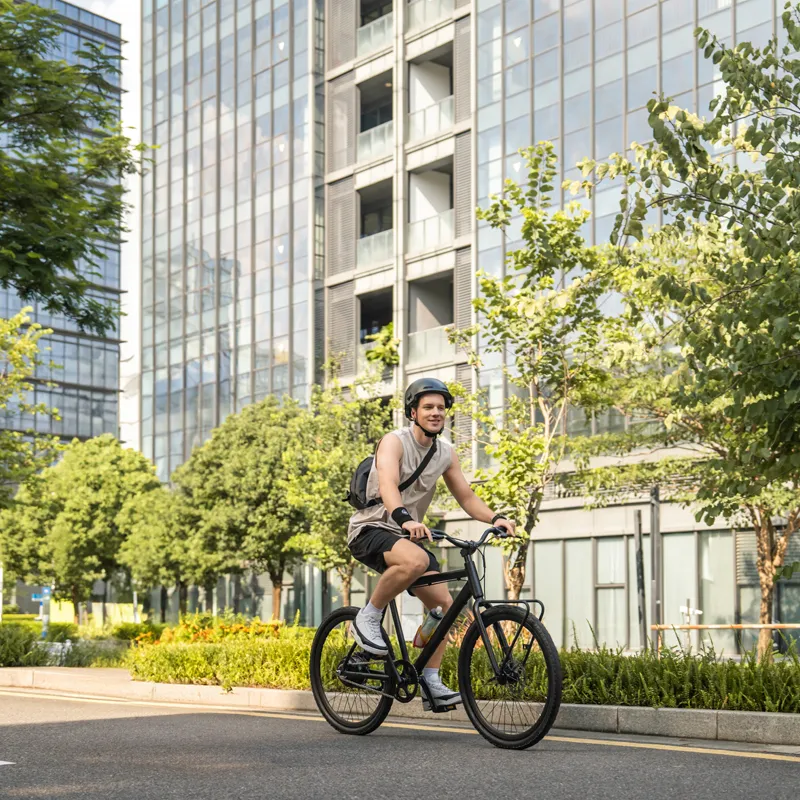
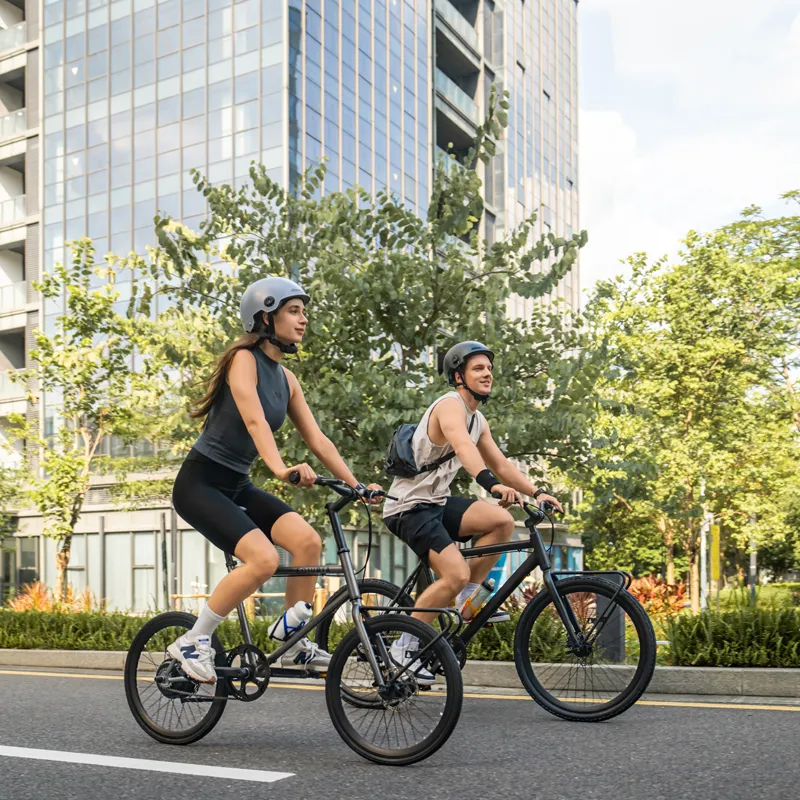
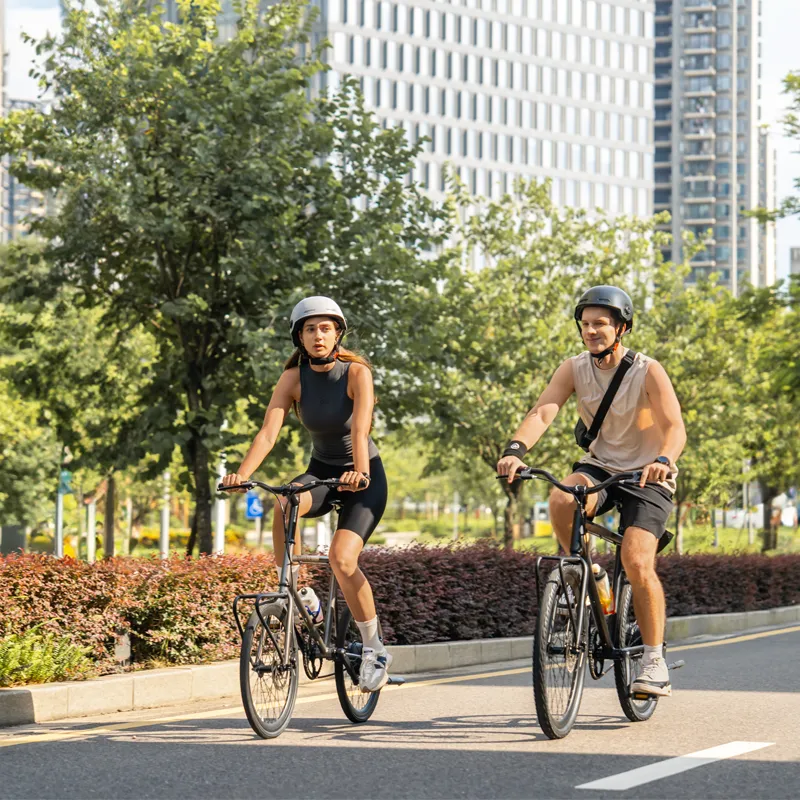
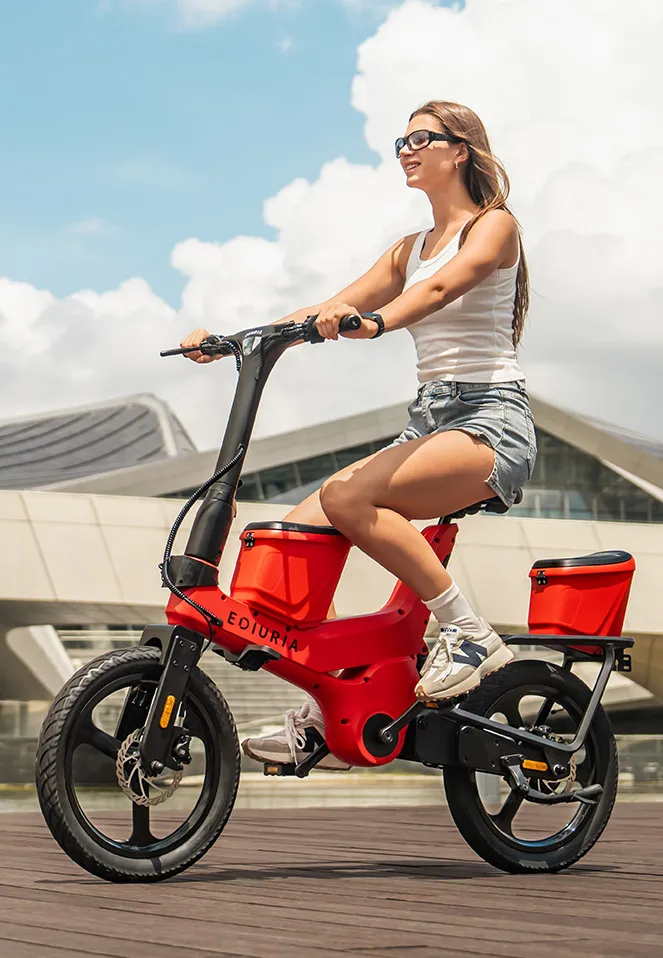
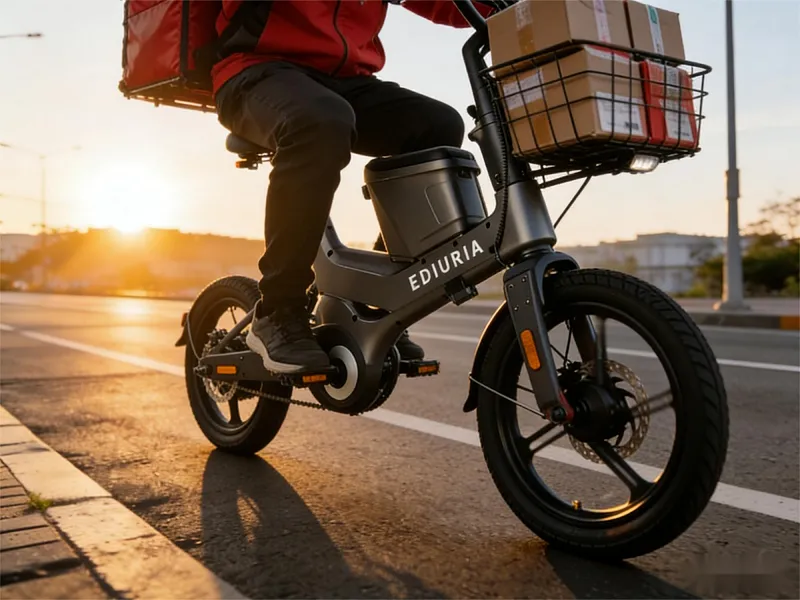
An electric bike, also known as an e-bike, is a bicycle that is powered by an electric motor. It combines the traditional features of a regular bicycle with the convenience of an electric motor, allowing riders to pedal or use the motor for assistance. Electric bikes are becoming increasingly popular as they provide an eco-friendly and efficient mode of transportation. They are often used for commuting, recreational purposes, or for individuals who may have physical limitations that make traditional biking difficult. Electric bikes typically have a range of up to 50 miles and can reach speeds of up to 20 mph.

Benefits of Electric Bikes

Benefits of Electric Bikes

Environmentally Friendly

Electric bikes are powered by electricity, which means they produce zero emissions while in use. This makes them a much greener alternative to traditional gasoline-powered vehicles. By choosing an electric bike, individuals can contribute to reducing air pollution and combatting climate change.

01
Health Benefits

Electric bikes still require pedaling, but the electric motor provides assistance, making it easier to ride longer distances or tackle hilly terrains. This makes them a great option for people who want to incorporate exercise into their daily routine but may have physical limitations or struggle with stamina. Regular cycling can improve cardiovascular health, strengthen muscles, and help with weight management.

02
Cost-effective

Electric bikes are generally more affordable than cars or motorcycles, and they also have lower operating costs. They require less maintenance, as they have fewer moving parts compared to traditional vehicles. Additionally, the cost of electricity to charge an electric bike is significantly lower than the cost of gasoline. This makes electric bikes a cost-effective transportation option for daily commuting or running errands.

03

How Long Does It Take To Charge An E-Bike Battery?

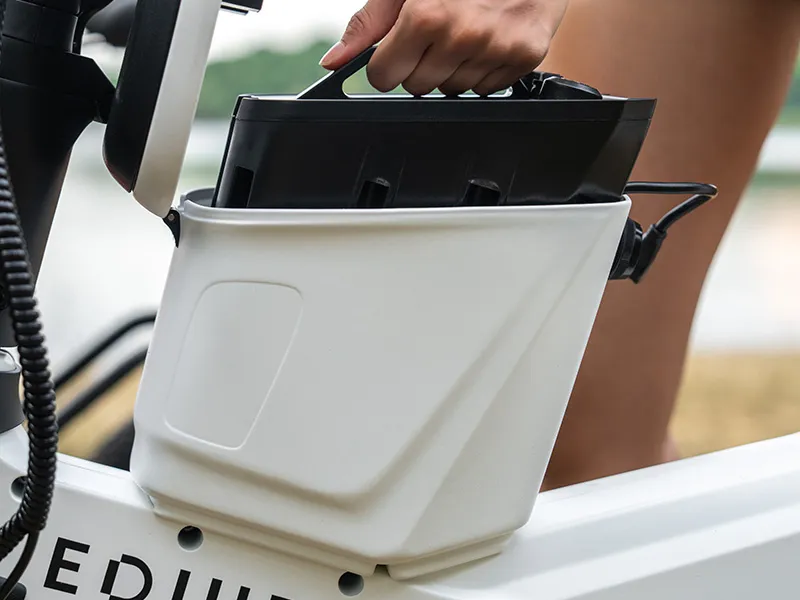
The charging time for an e-bike battery can vary depending on the battery capacity and the charger’s power output. On average, it takes around 3 to 6 hours to fully charge an e-bike battery. This is applicable to batteries with a capacity of around 400Wh to 600Wh, which are commonly found in most e-bikes. However, some high-capacity batteries, such as those with 800Wh or more, may take longer, up to 8 hours or more, to charge fully.


Fast chargers are available for e-bike batteries, which can significantly reduce the charging time. These chargers can charge an e-bike battery to 80% capacity in as little as 1 to 2 hours. However, it is important to note that fast charging may put more stress on the battery and reduce its overall lifespan.


Some e-bike batteries also support quick charging options, where a partial charge can be achieved in a shorter time. For example, a quick charge of 30 minutes may provide enough power for a short ride or commute. However, quick charging is not recommended for regular use as it can affect the battery’s longevity.

How Long Does It Take To Charge An E-Bike Battery?

Parameters for Electric Bike

Model No.EB 20 / 26 / 29
N.W20inch: 13.9KG / 26inch: 16KG / 29inch: 17.5KG
Tire Size20 / 26inch
Driving FormBelt/electrically Assisted Drive
Motor Style250w Drive Motor
Motor Battery Electric Control3-in-1
Top Speed25km/h
Maximum Load capacity100kg
Charging Time3.5h
Battery Capacity6.8Ah
Battery TypeLithium Battery
Battery Specification33.6V
Braking ModeFront and rear oil disc brakes
Frame MaterialCRMO4130
Cross Handle Length610/730mm
Endurance Mileage30KM
Climbing ability<30°


Parameters for Electric Bike

FAQs of E-Bikes

01

How does an e-bike work?

E-bikes typically have a battery-powered motor that provides assistance when the rider pedals. The motor can be activated by a throttle or by pedaling, depending on the type of e-bike. The motor’s power can be adjusted to different levels, allowing riders to choose the amount of assistance they need.

02

How fast can an e-bike go?

The speed of an e-bike depends on various factors, including the motor’s power and the local regulations. In most countries, e-bikes are limited to a top speed of 20-28 mph (32-45 km/h). However, some e-bikes can reach higher speeds with more powerful motors.

03

How far can an e-bike travel on a single charge?

The range of an e-bike depends on factors such as the battery capacity, the level of assistance used, the terrain, and the rider’s weight. On average, e-bikes can travel between 20-50 miles (32-80 km) on a single charge. Some models offer extended range batteries for longer rides.

04

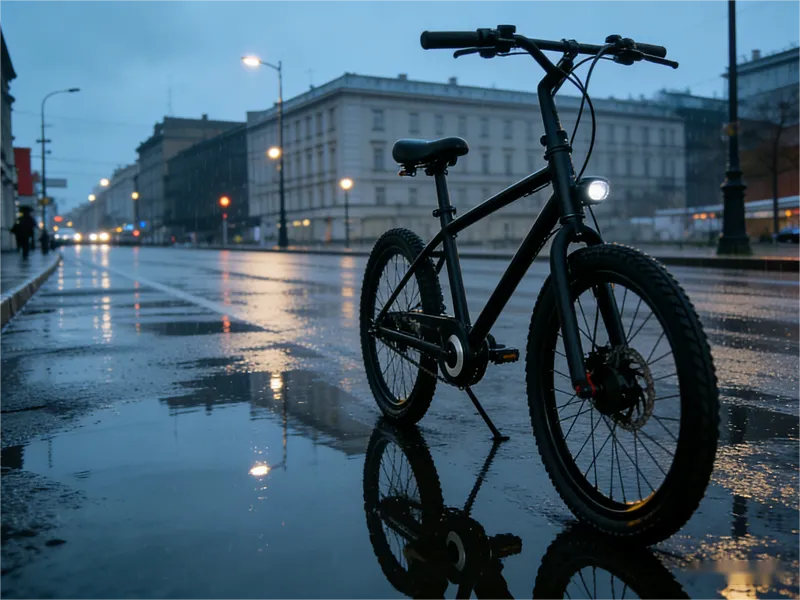
Can I ride an e-bike in the rain?

Most e-bikes are designed to be weather-resistant and can be ridden in light rain. However, it is recommended to avoid riding in heavy rain or submerging the e-bike in water, as it can damage the electrical components. It’s also important to check the manufacturer’s guidelines for specific waterproofing ratings.

05

Do I need a license or insurance to ride an e-bike?

The requirements for licenses and insurance vary depending on the country and local regulations. In many countries, e-bikes that meet certain criteria, such as limited top speed and motor power, are classified as bicycles and do not require a license or insurance. However, it’s important to check the specific regulations in your area.

06

Can I ride an e-bike on bike paths or trails?

The rules regarding e-bike usage on bike paths and trails vary depending on the location. In some areas, e-bikes are allowed on bike paths and trails, while in others, they may be restricted to certain types of paths or prohibited altogether. It’s important to familiarize yourself with the local regulations before riding an e-bike on bike paths or trails.

contact us
If you have any questions, please contact us
We use cookies to offer you a better browsing experience, analyze site traffic and personalize content. Part of the tracking is necessary to ensure SEO effectiveness,
By using this site, you agree to our use of cookies. Visit our cookie policy to learn more.
Reject Accept